Canada
 USA
USA Japan
Japan

 AB Inflatables
 AB Alumina
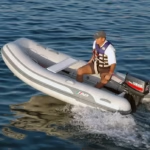 AB Lammina
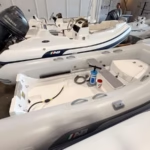 AB Navigo
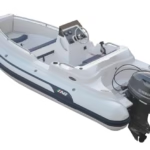 AB Nautilus
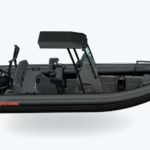 Zodiac RIBs
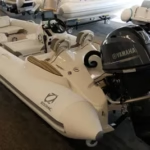 Zodiac Yachtline
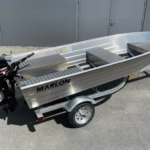 Marlon Boats
 Used Boats
 Parsun Outboards
 2 Stroke Outboard
 Used Outboards
 Outboard Parts
 Seapro & Parsun Bundle
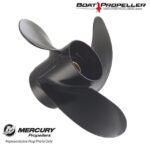 Mercury Marine Propellers
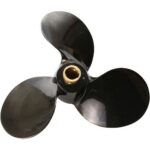 Michigan Propellers
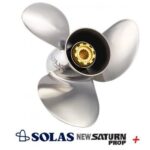 OMC Outboards Propellers
 Batteries
 Boats & Motor Parts
 Bunk Range
 Special Offer

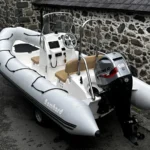
best small RIB boat
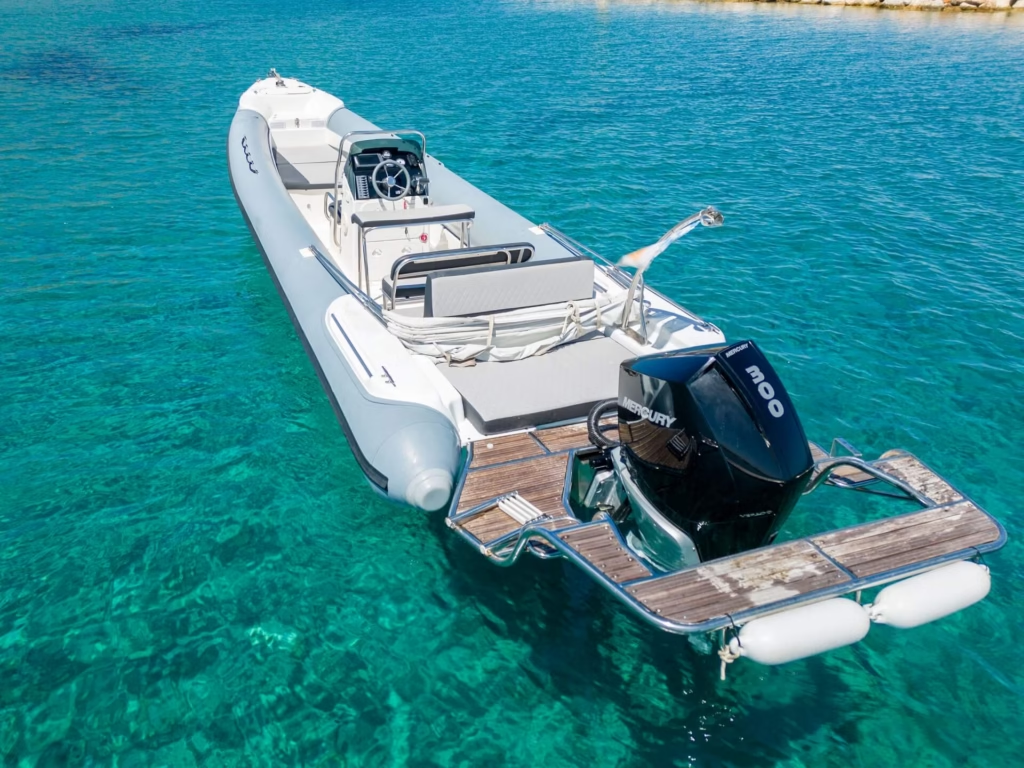
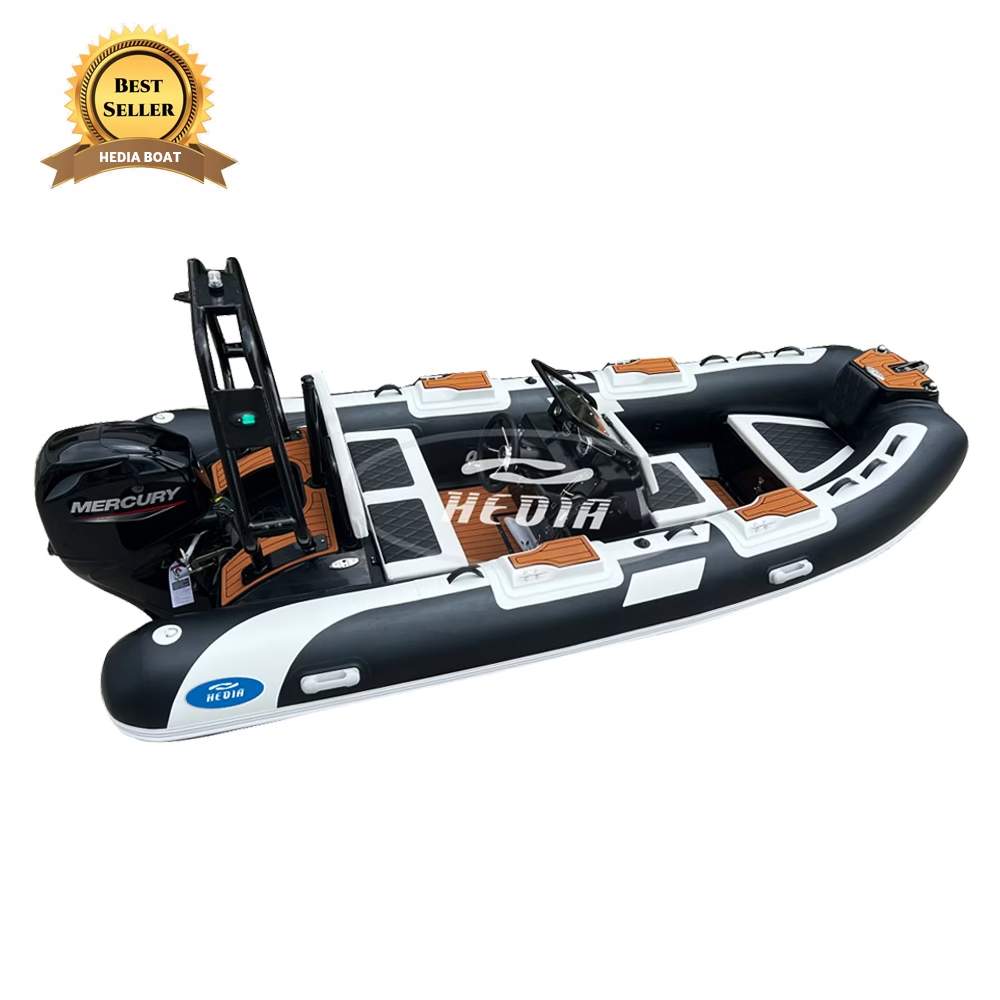
When choosing the right small rigid inflatable boat (RIB), prioritize durability, size relative to intended use, and engine compatibility. For coastal fishing or day cruising with 2–5 people, a 3.5 to 4.8-meter small rib boat with a 40–70 HP outboard offers optimal performance and stability 1. If you need a lightweight, trailerable model for quick launches, look for polyethylene or aluminum hulls over fiberglass. Always verify weight capacity and check manufacturer specs before purchase to ensure it matches your storage, transport, and activity needs—this is crucial whether you’re considering a small rib boat for fishing, diving, or family outings.
About Small Rib Boats
A small rib boat, typically ranging from 3.0 to 5.0 meters in length, combines a rigid hull with inflatable collar tubes made of high-grade PVC or Hypalon. This design enhances buoyancy, shock absorption, and overall stability compared to traditional hard-hulled boats of similar size 2. The rigid structure can be constructed from aluminum, fiberglass, or composite materials, each offering different trade-offs in weight, maintenance, and cost.
These vessels are widely used for recreational activities such as coastal exploration, fishing, water sports towing, and diving support. Their shallow draft allows access to tight coves and beaches, making them ideal for island hopping or launching from rocky shores. Due to their compact footprint and ease of trailering, small rib boats are also popular among weekend boaters who lack permanent dock space.
Why Small Rib Boats Are Gaining Popularity
In recent years, demand for small rib boats has surged due to increased interest in affordable, versatile watercraft that offer near-inshore capability without requiring large marina fees or complex handling skills 3. Urban dwellers with weekend getaways seek portable options that fit on standard trailers and can be stored at home. Additionally, rising fuel costs have pushed consumers toward smaller, more efficient models that still deliver confidence on choppy waters.
Their inherent safety advantages—such as unsinkability due to air chambers and superior ride comfort in waves—make them appealing even to novice users. With advancements in lightweight materials and reliable four-stroke engines, today’s small rib boats perform better than ever while remaining accessible to first-time buyers.
Types and Variants of Small Rib Boats
Understanding the main categories helps narrow down choices based on usage and budget:
Aluminum-Hulled RIBs
These feature welded or extruded aluminum bottoms paired with inflatable sponsons. Known for ruggedness and resistance to impact, they’re excellent for rocky coastlines or heavy-duty use like search-and-rescue training.
- Pros: Lightweight (~150–250 kg), dent-resistant, low maintenance, easy to clean
- Cons: Noisier ride, less refined aesthetics, potential for galvanic corrosion if not properly maintained
Ideal for: Operators prioritizing durability and off-grid adventures 4.
Fiberglass/Composite RIBs
These use molded fiberglass or foam-core composite hulls bonded to inflatable tubes. They provide smoother hydrodynamics, higher top speeds, and enhanced comfort on longer runs.
- Pros: Superior seakeeping, quieter operation, sleek appearance, customizable layouts
- Cons: Heavier (~300–450 kg), more expensive, vulnerable to grounding damage
Best suited for: Cruisers seeking refinement and better offshore performance 5.
Polyethylene (Rotomolded) RIBs
A newer category using rotationally molded plastic hulls. These integrate the hull and deck into one piece, reducing assembly points and increasing impact resilience.
- Pros: Extremely durable, UV-resistant, lower cost, minimal maintenance
- Cons: Limited availability, heavier than aluminum, fewer customization options
Suitable for: Budget-conscious buyers needing a no-fuss, long-lasting utility boat 6.
Key Features and Specifications to Evaluate
To select the best small rib boat, assess these critical technical aspects:
Length and Capacity
Boats under 4 meters suit 1–3 passengers; those between 4 and 5 meters accommodate up to 5 adults safely. Always confirm the ISO CE classification (e.g., Category D for sheltered waters) and maximum person/kilogram load rating 7.
Hull Material & Construction Quality
Inspect weld seams (for aluminum), gelcoat finish (fiberglass), and tube attachment method. High-quality models use glued-and-stitched joints reinforced with mechanical fasteners for longevity.
Inflatable Tube Material
PVC is common and economical but may degrade faster in intense sunlight. Hypalon (CSM rubber) resists ozone, UV, and abrasion better but adds ~20% to price. Look for multi-air chamber designs (at least 3–5 compartments) so partial punctures don’t compromise flotation 8.
Engine Compatibility & Performance
Check recommended horsepower range. Underpowering reduces planing ability; overpowering risks structural stress. Most 4-meter RIBs work well with 50–60 HP four-stroke engines. Verify transom thickness and bracket reinforcement for motor mounting.
Storage & Transport Considerations
Weight affects trailer requirements and vehicle towing capacity. Some models fold or disassemble partially for compact storage—an advantage for apartment owners or seasonal travelers.
Pros and Cons of Owning a Small Rib Boat
Advantages:
- Stable and safe in moderate seas due to wide beam and buoyant tubes
- Easily transported on car-towable trailers
- Lower acquisition and operating costs vs larger powerboats
- Versatile for fishing, diving, rescue drills, or leisure
- Can operate in shallow waters where deep-V boats cannot go
Limitations:
- Limited onboard amenities (no cabin, minimal dry storage)
- Exposure to elements—less suitable for cold or rainy climates without protective gear
- Requires inflation setup time unless kept ready-rigged
- Tube maintenance needed seasonally (checking pressure, cleaning, inspecting valves)
- Not designed for extended offshore voyages beyond 10–15 nautical miles
How to Choose a Small Rib Boat: Step-by-Step Guide
- Define Your Primary Use: Fishing? Family trips? Diving? This determines layout needs (e.g., rod holders, boarding ladder).
- Determine Passenger Load: Choose a model rated for your typical group size plus gear.
- Select Hull Type: Aluminum for ruggedness, fiberglass for comfort, polyethylene for value.
- Verify Engine Match: Confirm compatible HP range and transom class. Consider electric start and fuel efficiency.
- Assess Storage Space: Will you keep it inflated in a garage or deflate for seasonal storage?
- Review Legal Requirements: Check registration, safety equipment, and operator licensing rules in your region.
- Test Before Buying: Whenever possible, arrange a sea trial to evaluate handling, noise, and stability.
Red Flags to Avoid:
- Unclear CE certification or missing compliance labels
- Single-air-chamber tubes (higher risk if punctured)
- Poor seam finishing or loose hardware
- No warranty or unclear service network
- Vague payload specifications or exaggerated claims
Price & Market Insights
As of 2024, new small rib boats range from $6,000 to $25,000 depending on size, material, and brand. Entry-level polyethylene or basic aluminum models start around $6,000–$10,000. Mid-tier fiberglass RIBs (like Zodiac Cadet or Highfield CL 360) sell for $12,000–$18,000 with engine included 9. Premium custom builds exceed $20,000.
Used market prices vary significantly by condition and age. A well-maintained 4-meter RIB from 2018–2020 may sell for 40–60% of original retail. However, inspect tubes carefully—older Hypalon degrades slowly, while neglected PVC cracks prematurely.
For best value, consider purchasing during off-season sales (late fall/winter) or through dealer clearance events. Bundled packages (boat + motor + trailer) often save 10–15% versus separate purchases.
Top-Seller & Competitive Analysis
Several models dominate the small rib boat segment due to reliability and widespread support:
| Model | Length | Hull Type | HP Range | Approx. Price (USD) |
|---|---|---|---|---|
| Zodiac Cadet 420 | 4.20 m | Fiberglass | 40–60 HP | $14,500 |
| Highfield CL 360 | 3.60 m | Aluminum | 15–40 HP | $10,200 |
| Walker Bay Genesis 425 | 4.25 m | Composite | 25–50 HP | $13,800 |
| AB Inflatables 400 DL | 4.00 m | Aluminum | 40–60 HP | $16,000 |
Each balances portability, performance, and build quality differently. The Highfield appeals to anglers needing light weight; the Zodiac suits families wanting proven global support.
🛒 Recommended Use Cases & RIB Boat Types
| Use Case | Recommended RIB Type |
|---|---|
| Tender for yacht, small boat, or island hopping | Small RIB 3.5–4.5 m, lightweight, simple layout |
| Coastal fishing / family cruising / day trips | RIB 4.5–5.5 m, moderate tube/hull strength, 25–60 HP outboard |
| Diving, snorkeling, resort shuttle, light commercial | RIB 5.0–6.0 m, Hypalon tubes, strong hull, sturdy deck layout |
| Frequent saltwater use, rough water, heavy load | RIB 5.5–6.5 m+, quality hull + tubes, seaworthy design, higher HP engine |
🧭 Final Advice: Match the RIB to Your Lifestyle, Not Just Budget
The best small RIB isn’t always the cheapest — it’s the one that fits how you use your boat, where you boat, and how much maintenance you’re willing to do.
If you’re in tropical regions (hot, salty, humid) — like many Southeast Asia waters — prioritize durability, corrosion resistance, tube material quality, and hull strength over flashy features.
At Boat Parts Warehouse, we can help you choose the right outboard, propeller, and accessories to get the most out of your small RIB — whether you’re fishing, island-hopping, diving, or cruising.
Customer Feedback Synthesis
Analysis of verified buyer reviews across marine retailers and forums reveals consistent themes:
Common Praises:
- “Extremely stable—even in 1-foot swells”
- “Easy to launch alone from beach”
- “Durable enough for daily rental use”
- “Great resale value after 5 years”
Frequent Complaints:
- “Assembly takes 20+ minutes if deflated”
- “Seats uncomfortable after 2 hours”
- “Need frequent tube pressure checks”
- “Limited dry storage for electronics”
Improvements noted in newer models include padded seating, integrated fuel tanks, and modular accessory rails.
Sourcing & Supplier Tips
Buy from authorized dealers to ensure warranty validity and access to OEM parts. Independent importers may offer lower prices but could lack service networks. When sourcing internationally, confirm voltage compatibility for electrical components and adherence to local emissions standards (e.g., EPA or EU Stage V).
For bulk purchases (e.g., dive operators or rental fleets), negotiate directly with manufacturers for fleet discounts. Request sample units for evaluation. Inspect every shipment upon delivery—check for shipping damage, missing fittings, and proper inflation system function.
Maintenance, Safety & Legal Considerations
Routine care extends lifespan. After each use, rinse with fresh water—especially saltwater exposure. Store deflated or shaded to prevent UV degradation. Reinflate to recommended PSI monthly during off-season.
Safety-wise, always carry required flares, life jackets, sound-signaling devices, and a VHF radio. Install a self-bailing deck if operating in open water. Never exceed passenger or weight limits.
Legally, most jurisdictions require registration for powered small rib boats. Operator licensing varies—some states mandate boater education courses for motorized craft 10. Verify local laws before launching.
Conclusion
Selecting the right small rib boat hinges on matching your intended use, environment, and logistical constraints. Whether you’re looking for a compact aluminum model for solo fishing or a fiberglass version for weekend family excursions, focus on build quality, correct engine pairing, and realistic expectations about storage and upkeep. By evaluating hull type, capacity, and total ownership cost—including trailer, maintenance, and insurance—you’ll find a dependable vessel that delivers years of safe, enjoyable use on the water.
FAQs
Q: How fast does a typical small rib boat go?
A: With a 50 HP engine, most 4-meter small rib boats reach 25–35 knots depending on load and sea conditions.
Q: Can I leave my small rib boat inflated all season?
A: Yes, but monitor air pressure regularly and protect from direct sun to extend tube life.
Q: Are small rib boats safe in rough water?
A: They handle chop better than flat-bottomed skiffs, but should avoid waves over 3 feet unless operated by experienced drivers.
Q: What size trailer do I need for a small rib boat?
A: Match the trailer GVWR to the combined boat, motor, and gear weight. Most 4-meter RIBs require a 1,000–1,500 lb capacity trailer.
Q: Do small rib boats hold their value?
A: Well-maintained models from reputable brands retain 50–70% of initial value after five years.
1. What size small RIB boat is best for beginners?
A 3.5–4.5m RIB is ideal for beginners. It’s lightweight, easy to steer, fuel-efficient, and works well with smaller outboard engines.
2. What materials should I look for in a small RIB?
Choose Hypalon tubes for hot, sunny climates, and a fiberglass or aluminum hull for durability. These materials last longer in tropical, saltwater environments.
3. How much horsepower does a small RIB need?
Most small RIBs perform well with 15–60HP outboards. The exact size depends on the boat’s hull design, weight, and your intended use.
4. Are small RIB boats good for fishing or diving?
Yes. Their stability, shallow draft, and efficient hull design make them great for coastal fishing, snorkeling, and light diving operations.
5. Are small RIBs safe for island hopping?
Small RIBs are safe for short-range island hopping in moderate conditions. Larger 4.5–5.5m models offer more stability and comfort for longer coastal runs.
6. Is Hypalon better than PVC for RIB tubes?
Hypalon is superior for tropical climates because it resists UV damage and high heat. PVC is cheaper but wears faster in strong sun exposure.
7. What is the biggest advantage of a small RIB boat?
Its combination of stability, lightweight design, and low fuel consumption. These boats are easy to tow, launch, and maintain.
8. Do small RIB boats handle waves well?
They handle light to moderate chop well. For rough seas, a larger 5.5–6.5m RIB offers better comfort and stability.
9. What should I consider before buying a small RIB?
Consider your main use (fishing, family, tender), hull material, tube type, engine size, load capacity, and typical water conditions.
10. Where can I buy RIB accessories and outboards?
Boat Parts Warehouse (boatspartswarehouse.com) supplies outboard engines, propellers, electrical parts, and marine accessories ideal for small RIB boats.